

Canned vegetables are a kitchen staple in millions of households around the world—and for good reason. They’re convenient, affordable, nutritious, and can stay shelf-stable for years without the need for added preservatives. But with so many options lining the grocery store shelves, how do you know which ones are worth buying? How long do they really last, and what’s the best way to use them in everyday cooking?
In this guide, we’ll take a closer look at five popular canned vegetables from a consumer’s perspective: asparagus, beets, sweet peppers, tomatoes, and green peas. You’ll learn about their nutritional value, shelf life, best uses, and, most importantly, what to look for when choosing the right canned vegetables every time you shop.
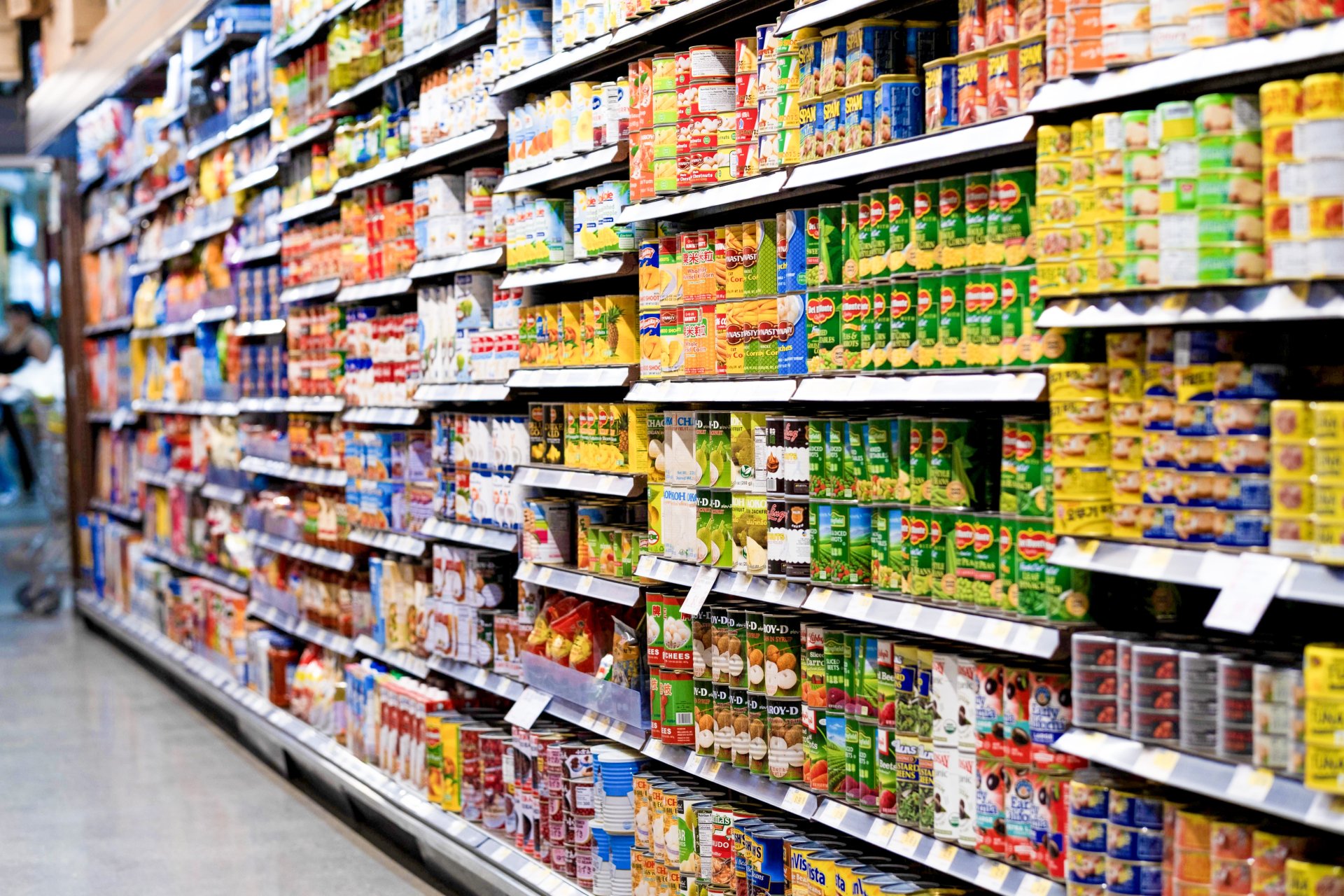
Why Are Canned Vegetables Worth Keeping in Your Pantry?
Let’s start with a question many people ask: Are canned vegetables healthy?
The short answer is yes—absolutely. Many vegetables are processed and canned within hours of being harvested, helping lock in their nutrients while they’re still at their freshest. In fact, canned vegetables can sometimes retain more nutrients than so-called “fresh” vegetables that have spent days in transit or sitting in the refrigerator.
So, what’s actually in a good-quality can of vegetables? In many cases, it’s simply vegetables, water, and salt—that’s it. No preservatives, no artificial colors, and no artificial flavors. The canning process itself—sealing the vegetables and heat-processing them—provides the preservation needed to keep them safe and shelf-stable.[FDA]
Key Benefits of Canned Vegetables at a Glance
No preservatives needed — the canning process itself helps preserve the vegetables
No artificial colors or flavors — quality products keep the ingredient list simple
Ready to use — just open, drain, and add to your dish
Long shelf life — properly stored canned vegetables can last for up to 3 years
Available year-round — enjoy your favorite vegetables regardless of the season
Budget-friendly — often more affordable than fresh or frozen vegetables
1. Canned Asparagus
What Is It?
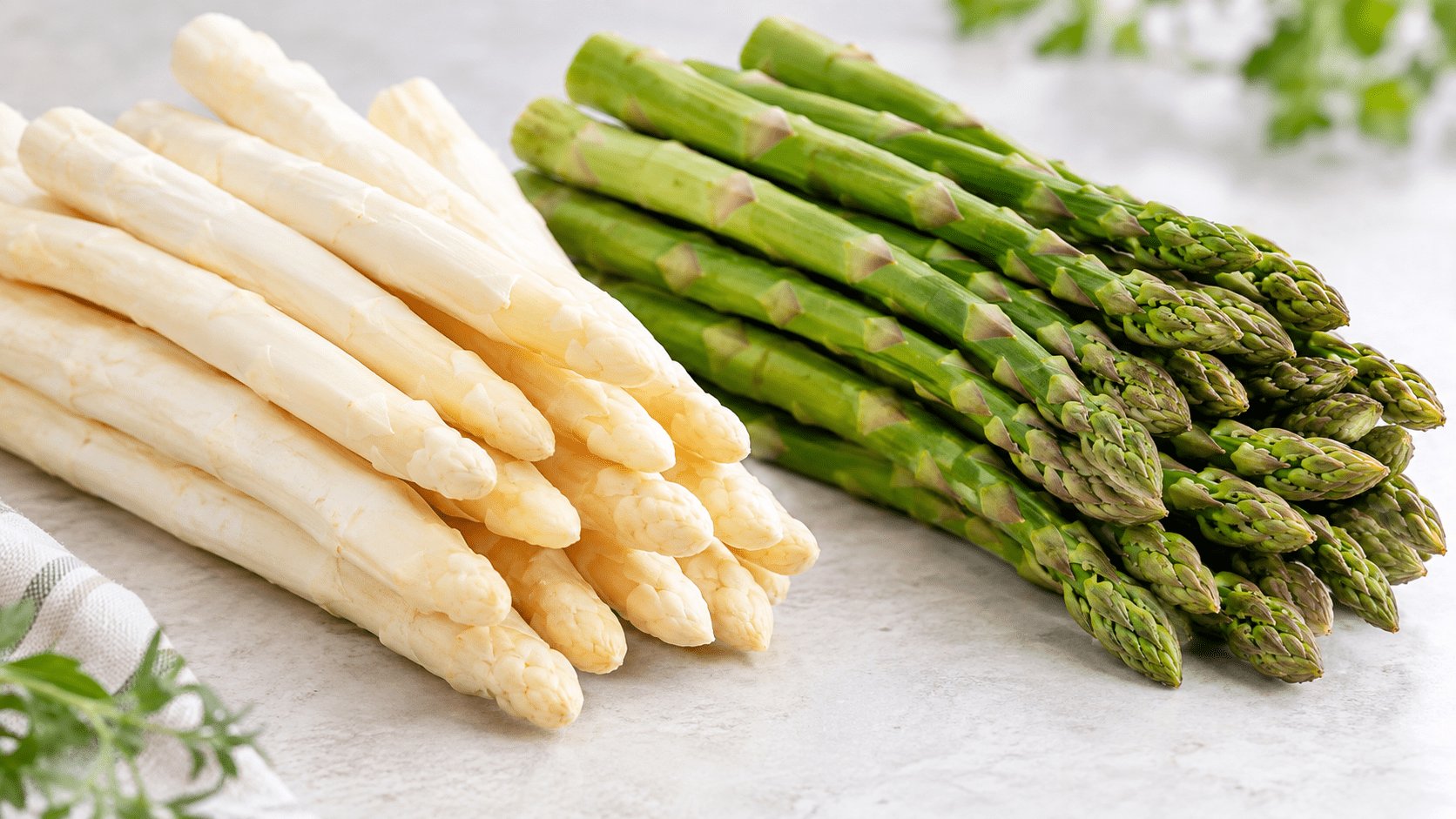
Canned asparagus generally comes in two varieties: white and green.
White asparagus is grown without exposure to sunlight, which gives it a more tender texture and a delicate, mild flavor. It’s especially popular in France and Germany.
Green asparagus, on the other hand, grows naturally in sunlight, giving it a crisper texture and a more pronounced, grassy flavor.
Common Types on Grocery Shelves
Canned asparagus comes in several forms, each suited to different dishes and serving styles.
Whole Spears
Center Cuts
Tips & Cuts
Nutritional Benefits
Canned asparagus is low in calories and packed with nutrients, providing a good source of:
Dietary fiber — supports healthy digestion
Folate (vitamin B9) — essential for cell growth and development
Vitamin K — supports healthy bones
Vitamin C — supports normal immune function
Antioxidants — including glutathione, which helps protect cells from oxidative stress
Shelf Life
Once opened: Transfer to an airtight container, refrigerate, and consume within 2–3 days.
How Is Canned Asparagus Made?
Asparagus is harvested during its growing season, typically around March for both white and green varieties, and then quickly sent for processing. The basic process is:
Washing → blanching → peeling → cutting → sorting → filling with brine → sealing → heat sterilization
Heat sterilization is a critical step. For example, a 370 ml can of asparagus may be heat-processed at 119°C (246°F) for approximately 13 minutes to achieve commercial sterility without the need for added preservatives.
Canned Asparagus Buying Guide
Asparagus Thickness — Thicker spears (L size) tend to be more tender; thinner spears (S size) offer a more delicate texture.
White vs. Green — White is mild and tender; green has a crisper texture and more pronounced flavor.
Glass Jar vs. Metal Can — Glass jars let you see the product. Look for intact spears and clear brine.
Ingredient List — Quality products contain just asparagus, water, salt, and citric acid—without added preservatives.
Best-Before Date — Check to ensure plenty of shelf life remaining.
Everyday Ways to Use Canned Asparagus
Salads — Drain and add to green salads, pasta salads, or potato salads.
Appetizers — Wrap spears in ham or prosciutto for a classic European-style appetizer.
Soups — Add to cream of asparagus soup or light vegetable soups.
Breakfast & Brunch — Serve with fried or scrambled eggs.
Side Dishes — Gently warm and serve with grilled fish, chicken, or steak.
Quiche & Egg Dishes — Cut into pieces and add to quiche, frittatas, or omelets.
2. Canned Beets
What Are They?
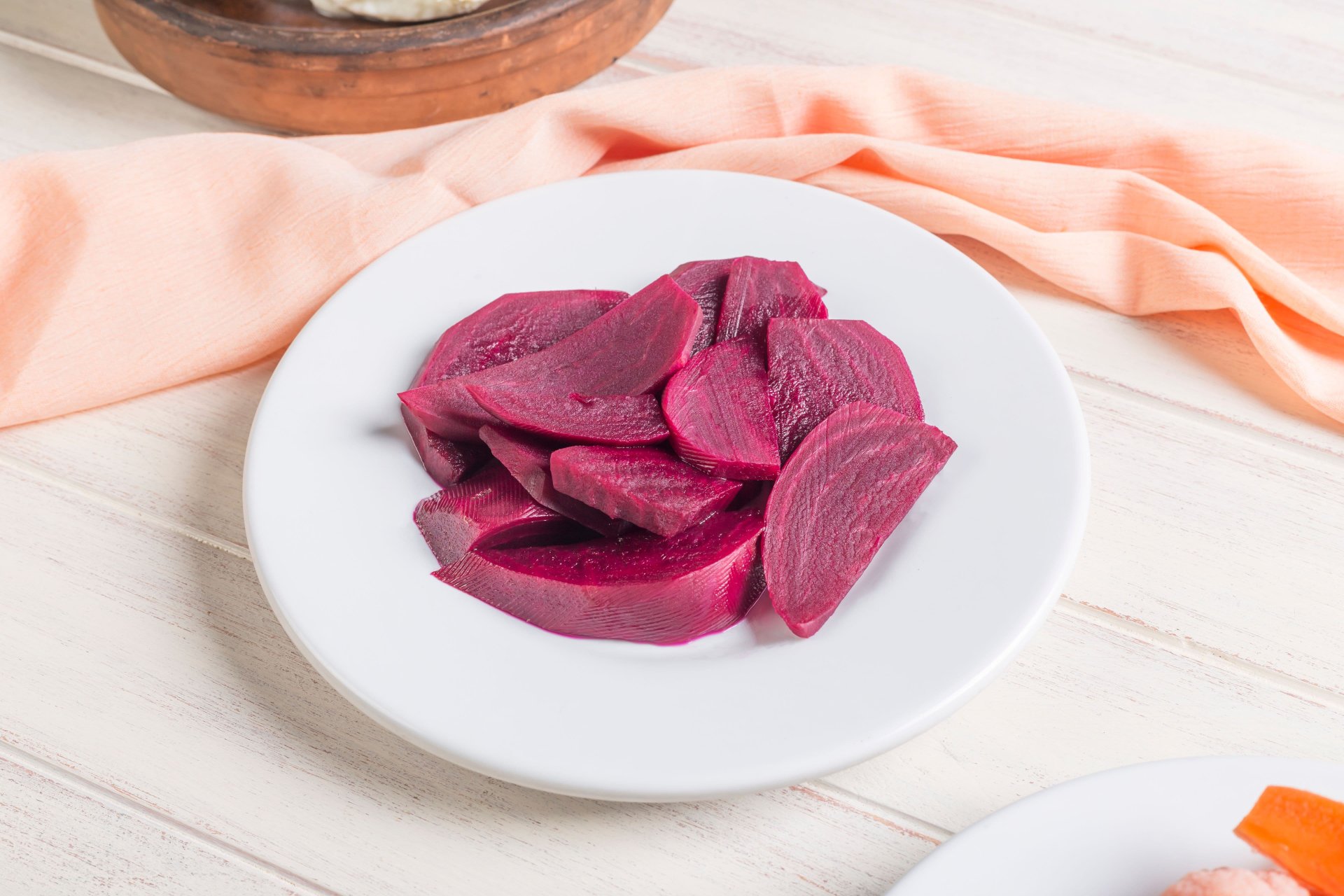
Canned beets (also called canned beetroot) are one of the most colorful and versatile canned vegetables you can keep in your pantry. They’re typically made from deep-red beets harvested at peak maturity, then peeled and sliced or diced before being packed in a light brine.
Common Types on Grocery Shelves
Beet Slices — Even, round slices great for salads and burgers
Beet Dices — Small cubes ideal for soups, grain bowls, and mixed dishes
Whole Beets — Small whole beets perfect as a side dish or for roasting/pickling
Nutritional Benefits
Betalains — Natural pigments with antioxidant and anti-inflammatory properties
Folate — Important for DNA synthesis and healthy cell growth
Potassium — Supports normal heart function and healthy blood pressure
Manganese — Plays a role in bone health and metabolism
Dietary Fiber — Supports healthy digestion
Nitrates — May support healthy blood flow and blood pressure
Shelf Life
Unopened: 2–5 years for low-acid canned vegetables when stored properly
Once opened: Refrigerate in a sealed container and consume within 3–4 days
How Are Canned Beets Made?
Beets are harvested during their peak season (typically around April) and quickly processed. They are washed, peeled, sliced or diced, and packed in a light brine of water, salt, and citric acid. The cans are sealed and heat-processed, preserving natural sweetness and vibrant color without artificial preservatives.
Canned Beets Buying Guide
Whole, Sliced, or Diced — Choose based on intended use (sides, sandwiches, or soups/salads)
Ingredient List — Simpler is better: beets, water, salt, and citric acid
Brine Clarity — Cloudy liquid doesn’t necessarily mean spoilage; check for odor, bulging, or other signs
Everyday Ways to Use Canned Beets
Salads — Add sliced beets to green salads, Greek salads, or goat cheese salads
Soups — Use in borscht or vegetable soups for color and flavor
Burgers — Add sliced beets for color, sweetness, and tender bite
Side Dishes — Warm gently and season with olive oil, pepper, and herbs
Pickled Beets — Combine with vinegar, spices, and onions
Beet Hummus — Blend with chickpeas, tahini, and lemon for vibrant pink hummus
3. Canned Sweet Peppers
What Are They?
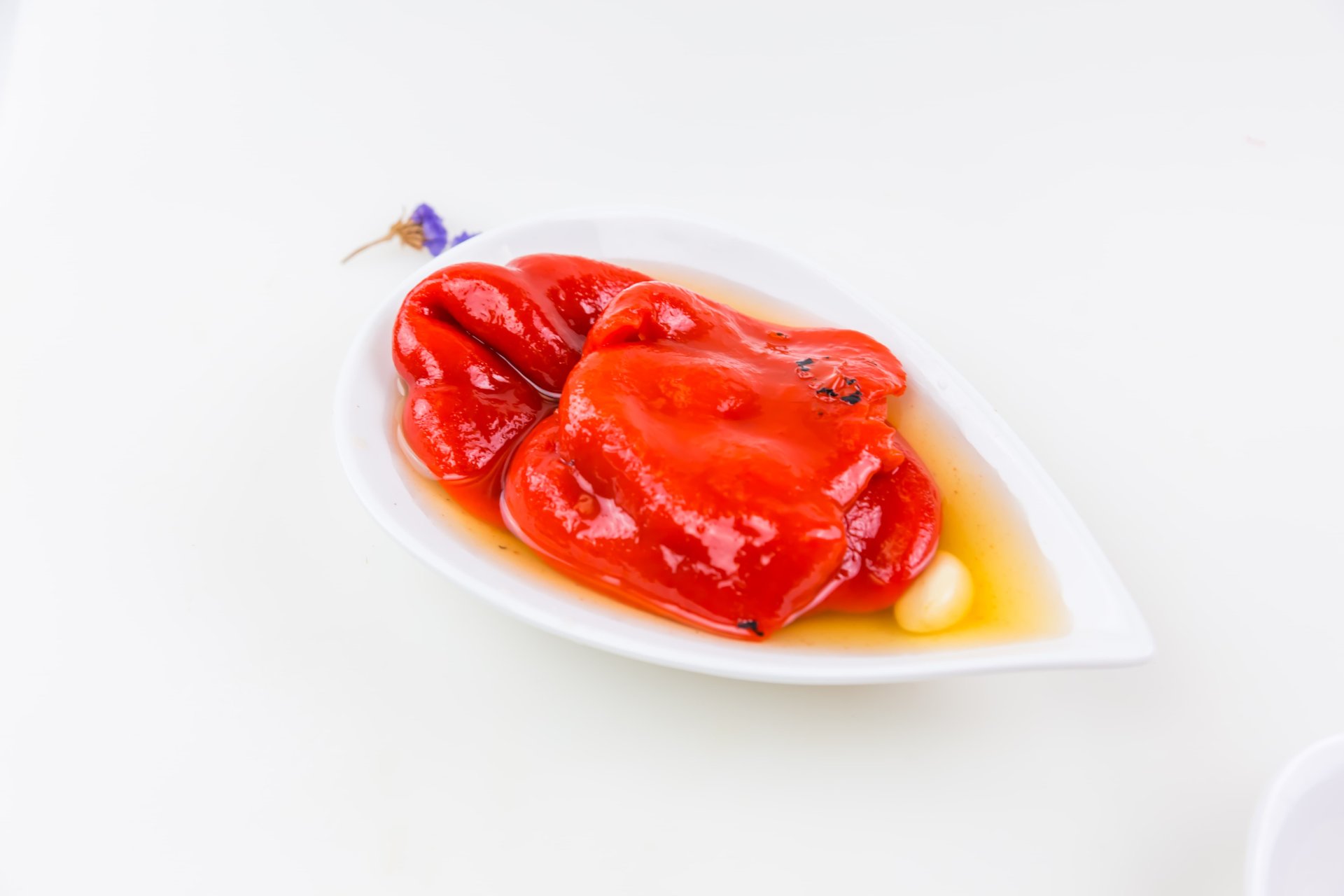
Canned sweet peppers (also called canned bell peppers) are a secret weapon in the kitchen for Mediterranean, Italian, or Mexican cuisine. Made from quality red and yellow sweet peppers, they’re typically roasted or packed in brine to bring out their natural sweetness.
Common Types on Grocery Shelves
By Shape
By Processing
Nutritional Benefits
Vitamin C — Often provides more than 100% of daily value per serving
Vitamin A — Rich in beta-carotene, especially red peppers
Vitamin B6 — Supports normal brain function and metabolism
Antioxidants — Including carotenoids, quercetin, and lutein
Low in Calories — Adds flavor and nutrients without many calories
Shelf Life
Unopened: 2–5 years for low-acid canned vegetables when stored properly
Once opened: Refrigerate and consume within 5–7 days (follow label carefully for oil-packed varieties)
Everyday Ways to Use Canned Sweet Peppers
Pizza Toppings — Scatter over pizza with cheese, olives, or sausage
Sandwiches & Wraps — Add sweetness and smoky flavor
Salads — Pair with olives, feta, cucumber, and tomatoes
Pasta Dishes — Toss into tomato-based or olive oil sauces
Antipasto Platters — Serve alongside cheese, olives, and cured meats
Egg Dishes — Add to omelets, frittatas, or scrambled eggs
4. Canned Tomatoes
What Are They?
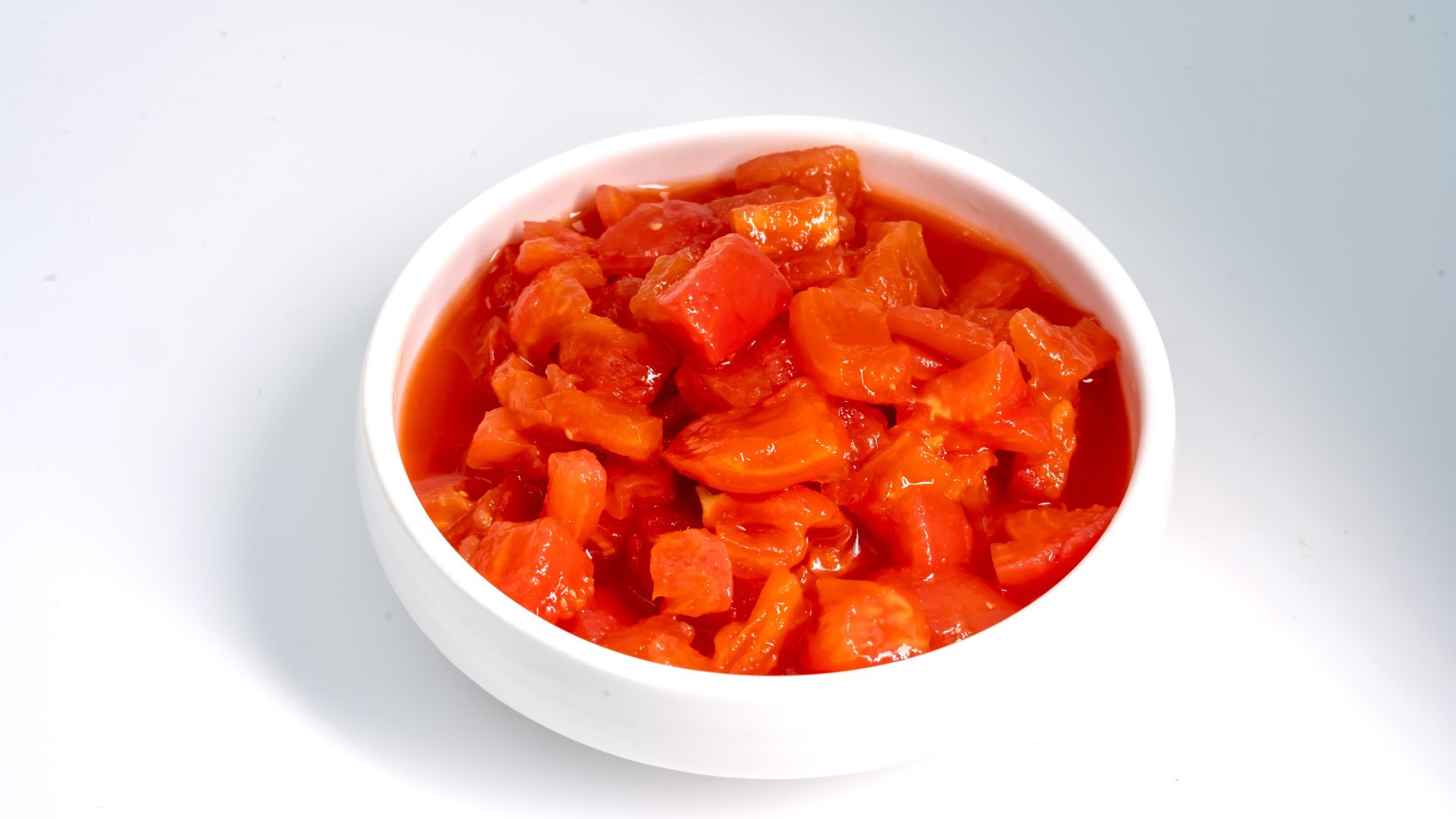
Canned tomatoes are arguably one of the most important canned vegetables in the world. They’re a staple of Italian, Mediterranean, and Latin American cooking and serve as the foundation for countless sauces, soups, and stews.
Common Types on Grocery Shelves
Tomato Paste — Highly concentrated; ideal for sauces, stews, and adding depth
Diced Tomatoes — Peeled and cut into small pieces; great for chunky sauces and soups
Crushed Tomatoes — Smooth, spoonable texture; perfect for pasta and pizza sauces
Whole Peeled Tomatoes — Most versatile; crush or break down to preferred texture
Nutritional Benefits
Lycopene — A powerful antioxidant responsible for tomatoes’ red color. Interestingly, the lycopene in cooked and canned tomatoes can be more readily absorbed by the body than lycopene in fresh tomatoes, because heating helps break down the plant’s cell structure and makes the lycopene more available.
Vitamin C — Supports normal immune function
Potassium — Supports normal heart function and healthy blood pressure
Vitamin K — Important for blood clotting and bone health
Low in Calories and Fat
Shelf Life
Unopened: 12–18 months for high-acid foods such as tomatoes when stored properly
Once opened: Transfer to airtight container, refrigerate, and use within 5–7 days (tomato paste can be frozen in ice cube trays)
Everyday Ways to Use Canned Tomatoes
Pasta Sauces — Classic marinara, Bolognese, Arrabbiata
Pizza Sauce — Especially with whole peeled or crushed tomatoes
Soups — Tomato soup, vegetable soup, and hearty stews
Chili — Tomato base for beans, meat, and chili peppers
Shakshuka — Simmer eggs in spiced tomato sauce
Curries — Adds acidity, depth, and richer sauce
5. Canned Green Peas
What Are They?
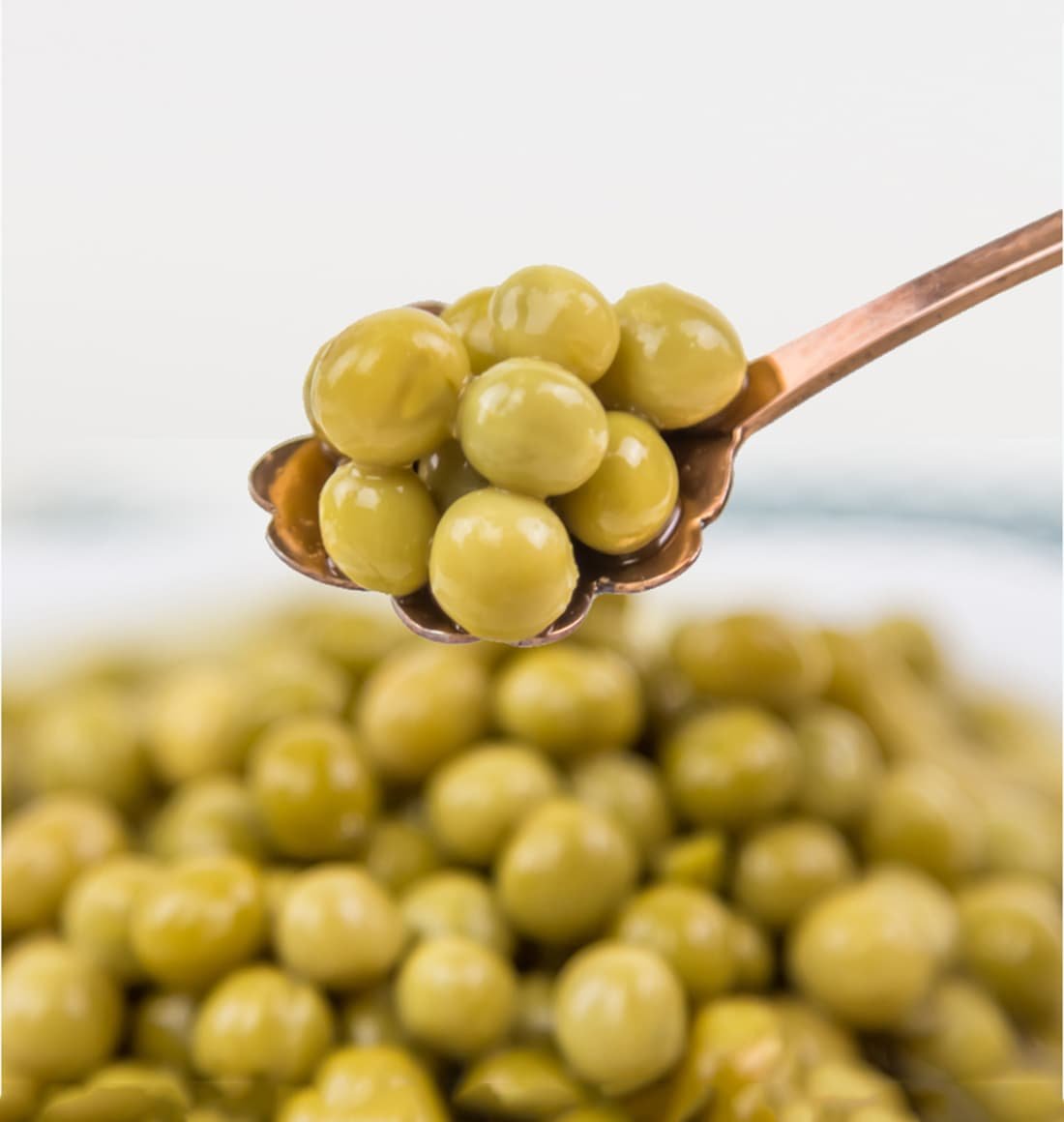
Canned green peas are one of the most convenient vegetables to keep in your pantry. They’re typically harvested when young, tender, and naturally sweet, then packed in a light brine. Processed soon after picking, they preserve their sweet, freshly harvested flavor better than fresh peas that convert sugars to starch after harvest.
Common Types on Grocery Shelves
Standard Green Peas — Whole, tender peas packed in brine
Petit Pois — Smaller, more delicate peas with naturally sweet flavor (premium)
Marrowfat Peas — Larger, more mature peas with soft, starchy texture (popular for mushy peas)
Nutritional Benefits
Plant Protein — Convenient source of plant-based protein
Dietary Fiber — Supports healthy digestion and helps you feel full
Vitamin K — Supports healthy bones
Vitamin C — Supports normal immune function
Vitamin A — Helps support normal vision
Iron & Folate — Essential for oxygen transport and healthy cell growth
Shelf Life
Unopened: 2–5 years for low-acid canned vegetables when stored properly
Once opened: Transfer to airtight container, refrigerate, and consume within 3–4 days
Everyday Ways to Use Canned Green Peas
Side Dishes — Gently heat and serve with chicken, fish, or steak
Soups — Vegetable soup, chicken soup, or classic pea and ham soup
Salads — Toss into pasta, potato, or green salads
Shepherd’s Pie — Classic filling with carrots and corn
Pasta — Creamy pea pasta with bacon and Parmesan
Rice Dishes — Stir into risotto or fried rice
Mashed Peas — Blend with mint, butter, or cream
Canned Vegetables Frequently Asked Questions
Do Canned Vegetables Contain Preservatives?
Usually, no. Quality canned vegetables typically do not need added preservatives. The canning process itself—sealing the food and heat-processing it—provides the preservation needed. A simple ingredient list may contain just vegetables, water, and salt.
Are Canned Vegetables as Healthy as Fresh Vegetables?
In many cases, yes—and sometimes they can even offer nutritional advantages. Vegetables are often canned soon after harvesting. Some nutrients, such as lycopene in tomatoes, become more readily absorbed after cooking. Choose products without added sugar or excessive sodium; draining and rinsing can help reduce sodium.
Should You Rinse Canned Vegetables Before Using Them?
It depends on the dish and your dietary needs. Rinsing canned vegetables under cold running water can remove some of the sodium from the packing liquid. If you're following a low-sodium diet, rinsing is a simple way to reduce your sodium intake. For soups, sauces, and other dishes where you want to preserve the full flavor of the packing liquid, you may prefer to drain without rinsing.
Can You Eat Canned Vegetables Straight From the Can?
Yes. Commercially canned vegetables are heat-processed for safety and can be eaten straight from the can. Most people prefer to heat them or incorporate them into a recipe for better texture and flavor.
Why Are Some Canned Vegetables Softer Than Fresh Ones?
Canned vegetables undergo heat processing, which softens them—this is normal. Some vegetables (asparagus, green beans) hold their shape better. Choosing whole spears or whole vegetables instead of diced pieces can improve texture.
Can You Eat Canned Vegetables After the Best-Before Date?
Not necessarily unsafe, but check the can carefully. For commercially canned foods, a best-before date generally relates to quality rather than an automatic safety cutoff. Properly stored cans that are still in good condition may remain safe beyond that date, although their flavor, color, and texture can gradually decline.
Before using an older can, make sure it is not bulging, leaking, heavily rusted, or severely dented, and discard it if you notice an unusual odor or other signs of spoilage. For the best quality, follow the manufacturer's storage recommendations and use the product within the stated best-before period.
Final Thoughts
Canned vegetables may not get as much attention as fresh produce, but they’re one of the most convenient, shelf-stable, and versatile staples you can keep in your kitchen. From asparagus, beets, and sweet peppers to tomatoes and green peas, different types of canned vegetables can easily be added to salads, soups, pasta, pizza, and all kinds of main dishes.
Whether you’re looking for quick meal ideas on busy weeknights or simply want to keep vegetables on hand whenever you need them, stocking a few varieties that fit your eating habits and cooking style can make everyday meals easier and more flexible.
Ready to explore premium canned vegetable solutions?
Stock your pantry with high-quality, nutrient-rich canned vegetables that deliver convenience without compromising on taste or nutrition.