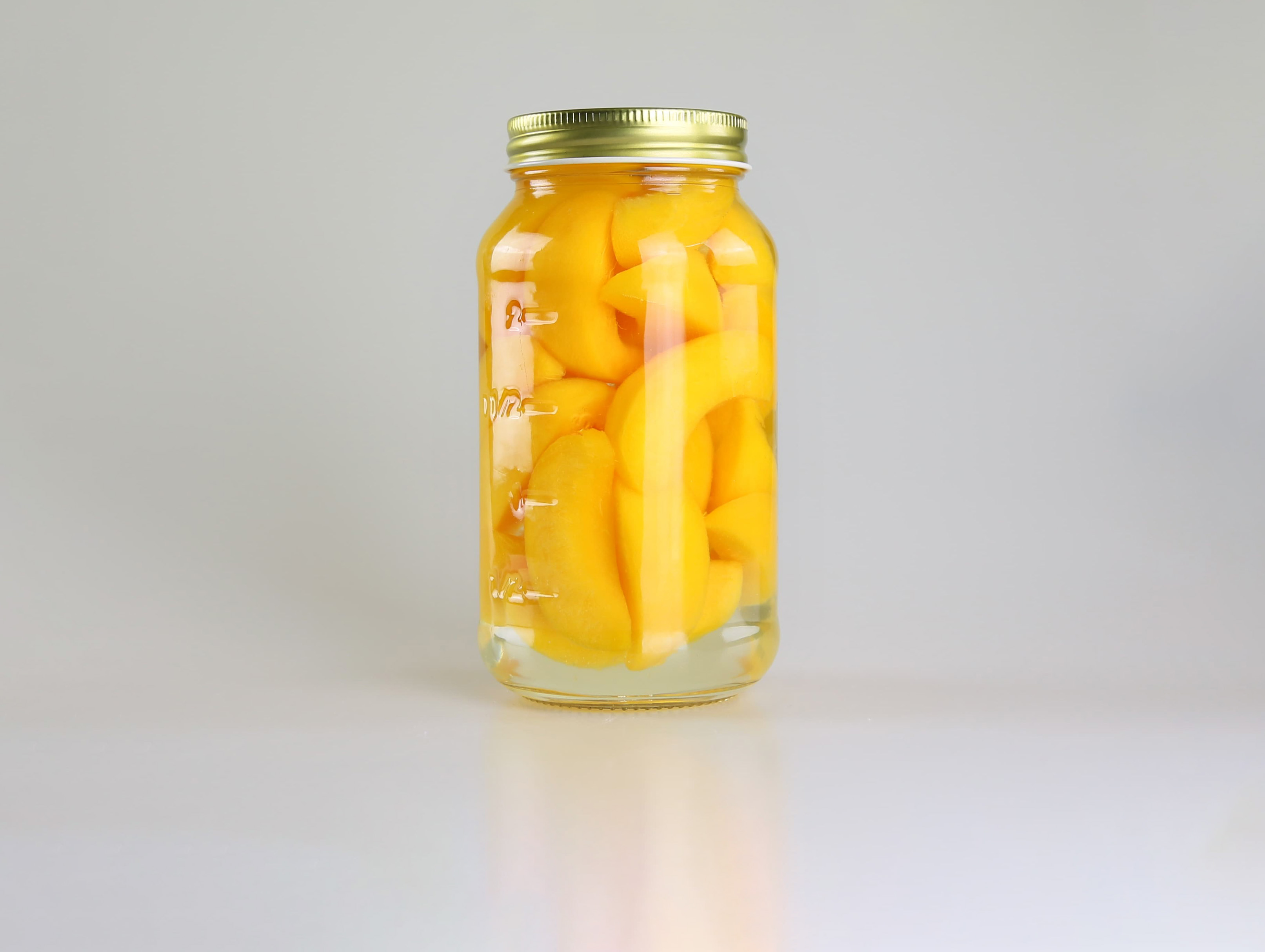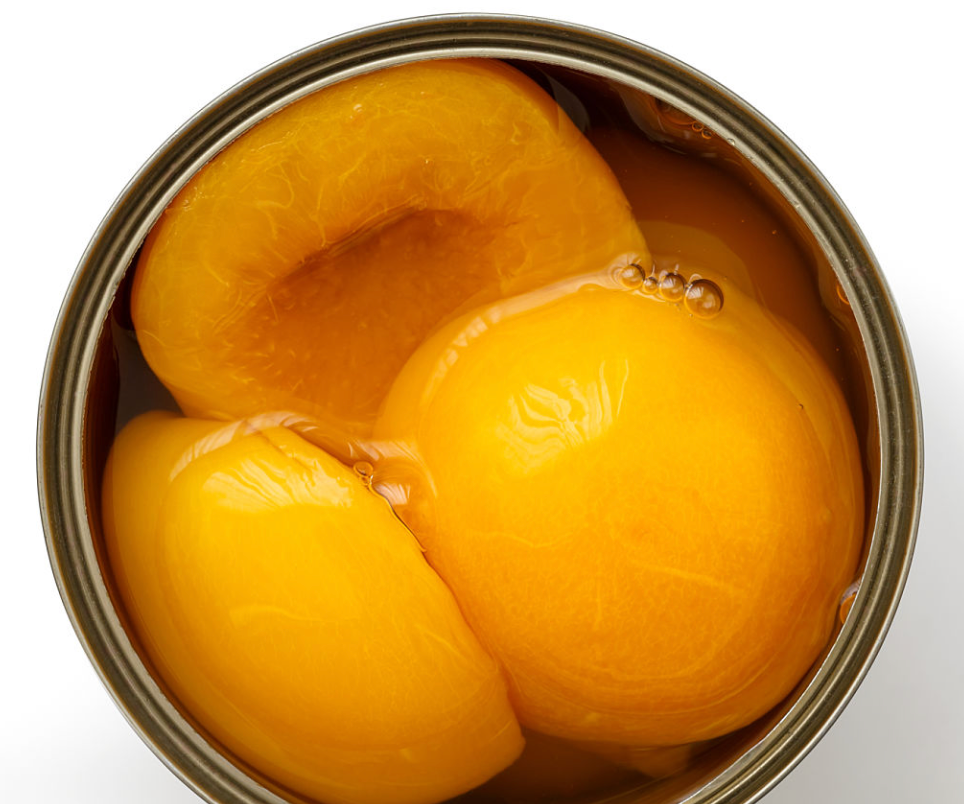


Not every canned fruit cut works for every job. A whole peach half looks great on a dessert, but try mixing it into yogurt or a bakery filling and you'll probably want something smaller. Slices are easy to arrange, chunks work well in fruit salads, and diced fruit is much easier to mix into fillings and prepared foods.
The takeaway is simple: choose the cut based on how you plan to use the fruit. The right format can mean less prep, easier portioning, and a better finished product.
The Most Common Cuts of Canned Fruit
Canned fruit is commonly available in several cuts and formats. The exact specifications vary by fruit, supplier, and product application.
| Cut | Typical Characteristics | Best Uses |
|---|---|---|
| Halves | Large, recognizable pieces | Desserts, breakfast, plating |
| Slices | Long or wedge-shaped pieces | Baking, toppings, desserts |
| Chunks | Medium-sized pieces | Fruit salads, yogurt, desserts |
| Dices | Small, relatively uniform cubes | Fillings, cereals, fruit mixes |
| Pieces | Smaller pieces with less uniform shapes | Foodservice, baking, processing |
| Crushed/Pulp | Very small or broken-down fruit | Sauces, fillings, beverages |
The best choice is not necessarily the largest or smallest cut. It depends on what you need the fruit to do.
Canned Fruit Halves
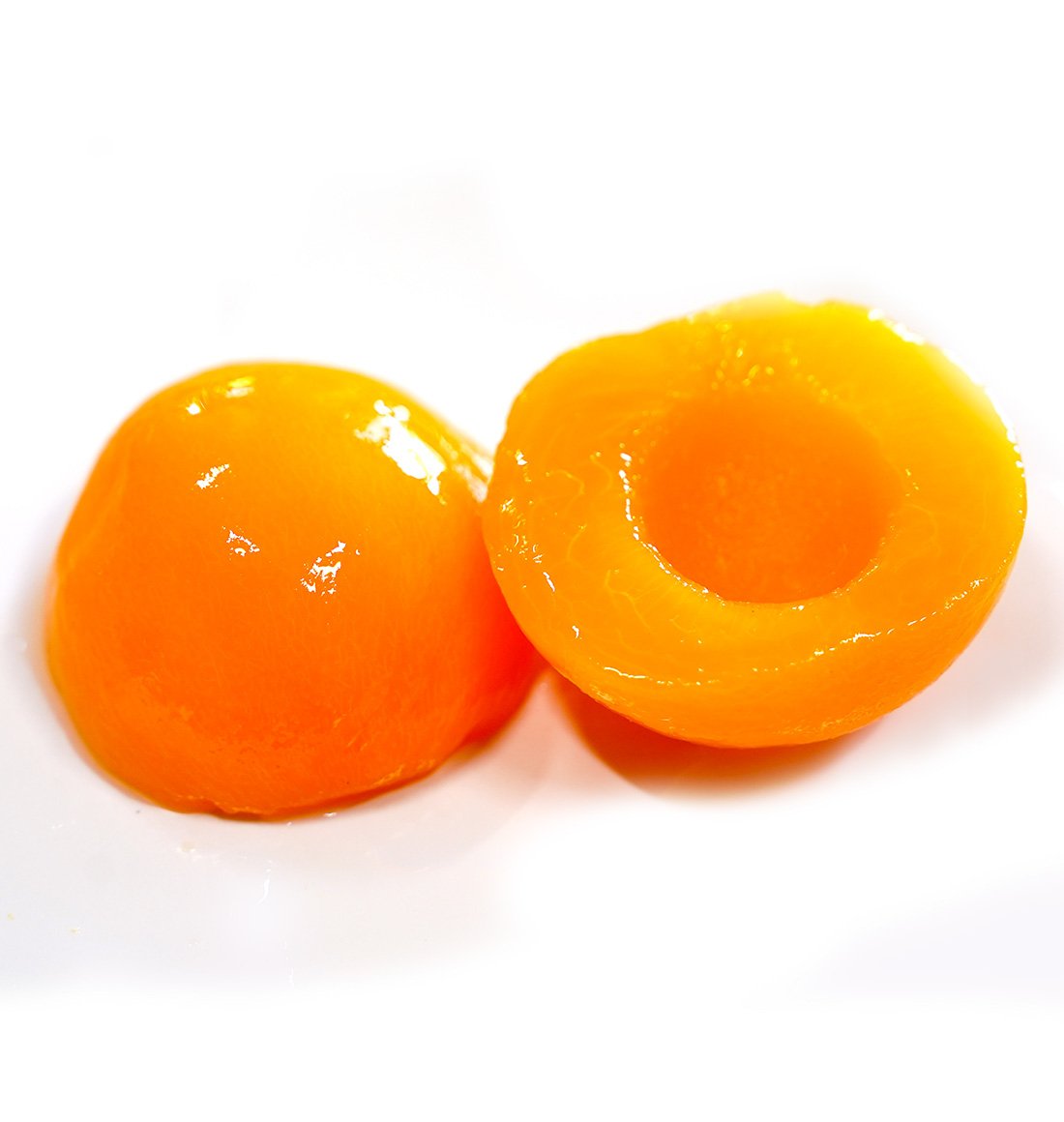
Halves are among the most recognizable canned fruit formats. The fruit is cut into two relatively large portions while retaining much of its original shape. Peaches, pears, and apricots are commonly available as halves.
Best for:
Plated desserts
Breakfast servings
Fruit with yogurt or ice cream
Tarts and cakes
Buffet and foodservice presentation
The biggest advantage of halves is appearance. The fruit still looks like fruit rather than an ingredient that has already been broken down. For example, a canned peach half can be served with ice cream, yogurt, or cream with little additional preparation. For foodservice and retail products where presentation matters, halves can also create a more substantial serving experience.
Canned Fruit Slices
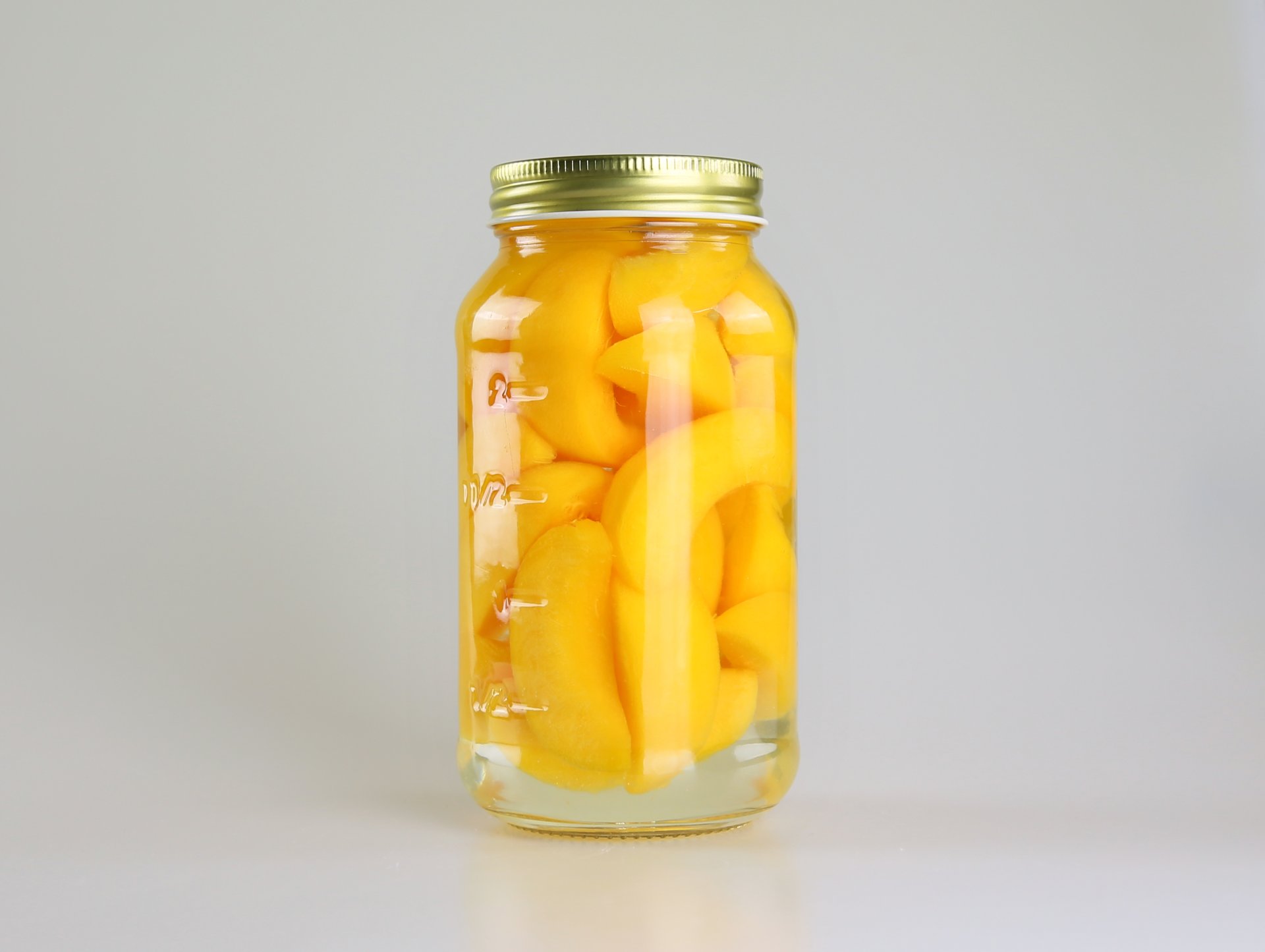
Slices are thinner and easier to arrange than halves. Depending on the fruit and specification, they may be cut into wedges or elongated slices. Canned peaches, pears, apples, and other firm fruits can work well in sliced formats.
Best for:
Cakes and tarts
Pie and pastry toppings
Oatmeal and breakfast bowls
Desserts
Fruit toppings
Slices are particularly useful when you want to spread fruit across a larger surface. A few peach slices can cover the top of a tart or cake much more easily than whole halves. They are also convenient when the fruit needs to be portioned or arranged before serving. For commercial kitchens, this can reduce preparation work because the fruit is already cut and ready to use.
Canned Fruit Chunks
Chunks sit somewhere between large slices and small diced fruit. They are large enough to provide a noticeable bite but small enough to mix easily with other ingredients. They are commonly used in fruit salads, mixed fruit products, desserts, and foodservice applications.
Best for:
Fruit salads
Yogurt
Breakfast bowls
Fruit cocktails
Desserts
Smoothies
Chunks are a practical middle ground. They retain enough size and shape to make the fruit visible, while being convenient to scoop, mix, and serve. For example, peach or pear chunks can be combined with other fruits without completely disappearing into the mixture.
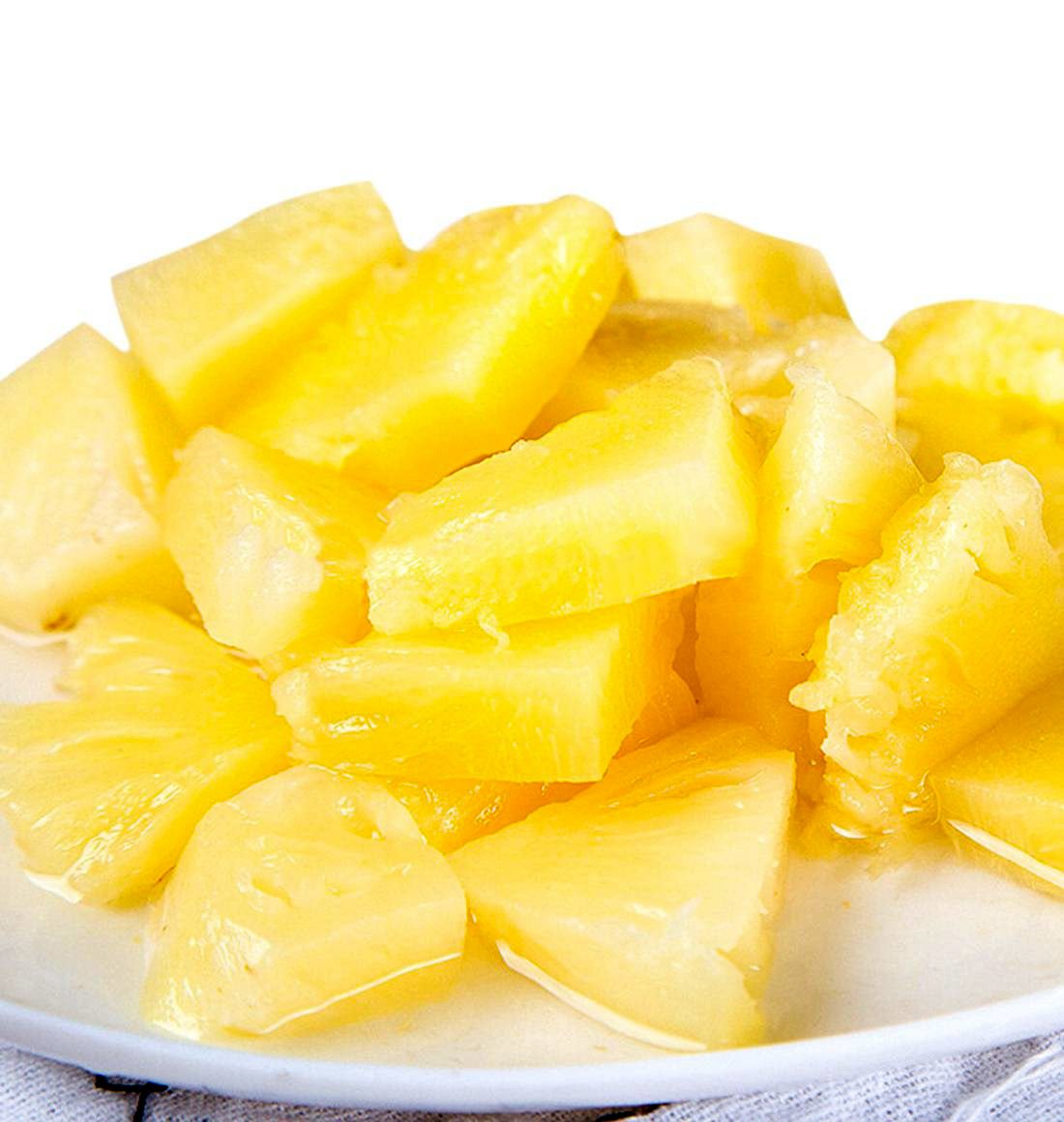
Canned Fruit Dices
Diced fruit is cut into smaller, relatively uniform pieces. Compared with chunks, diced fruit is generally easier to mix evenly throughout another food.
Best for:
Bakery fillings
Yogurt
Cereals
Dessert fillings
Fruit mixes
Sauces and prepared foods
The main advantage of diced fruit is consistency. When small pieces need to be distributed throughout a product, a more uniform cut can make portioning and mixing easier. This is particularly useful for commercial food production, where consistent ingredient distribution matters. Diced fruit can also be a convenient choice when consumers are not expected to cut the fruit themselves.
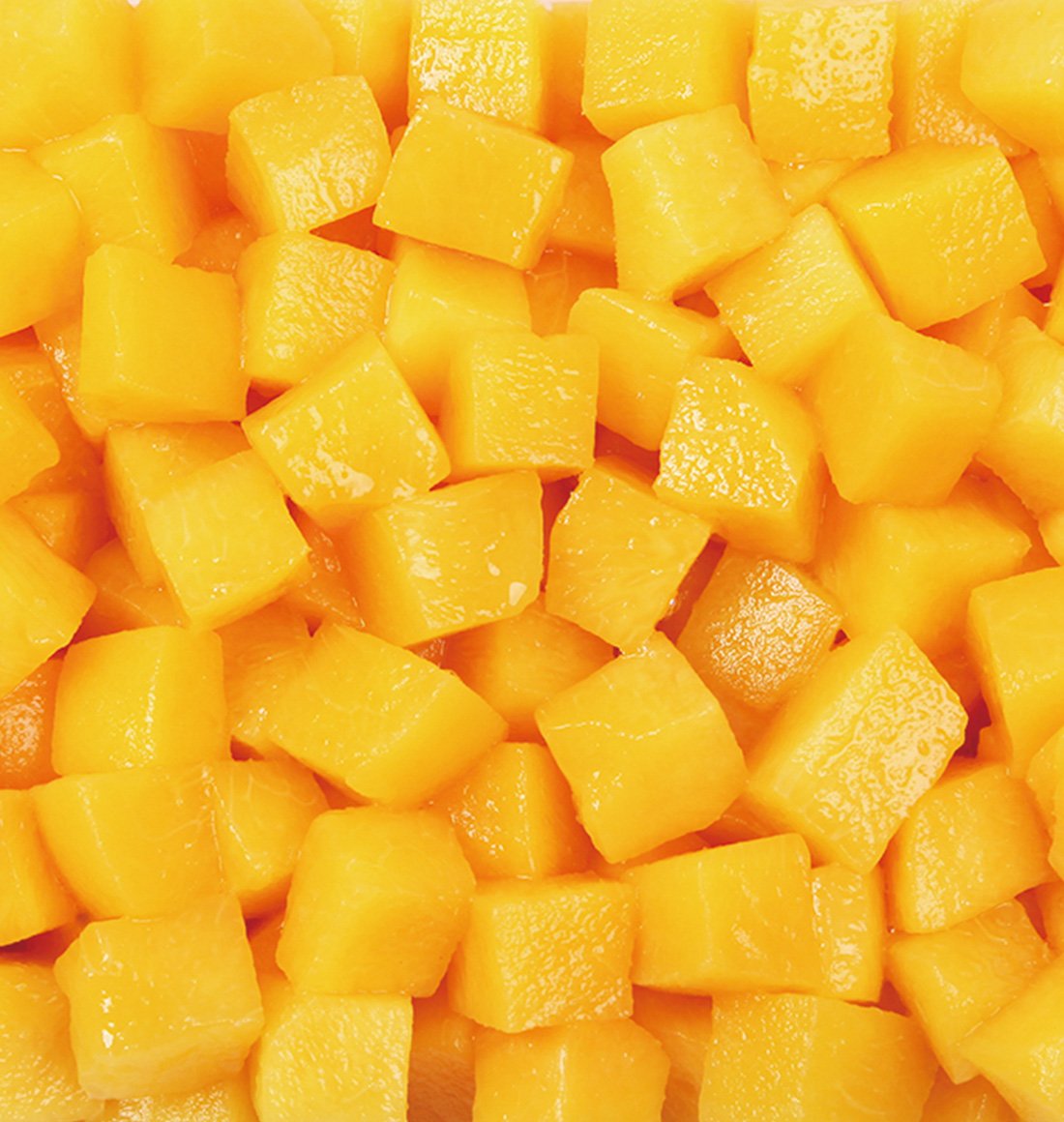
Canned Fruit Pieces
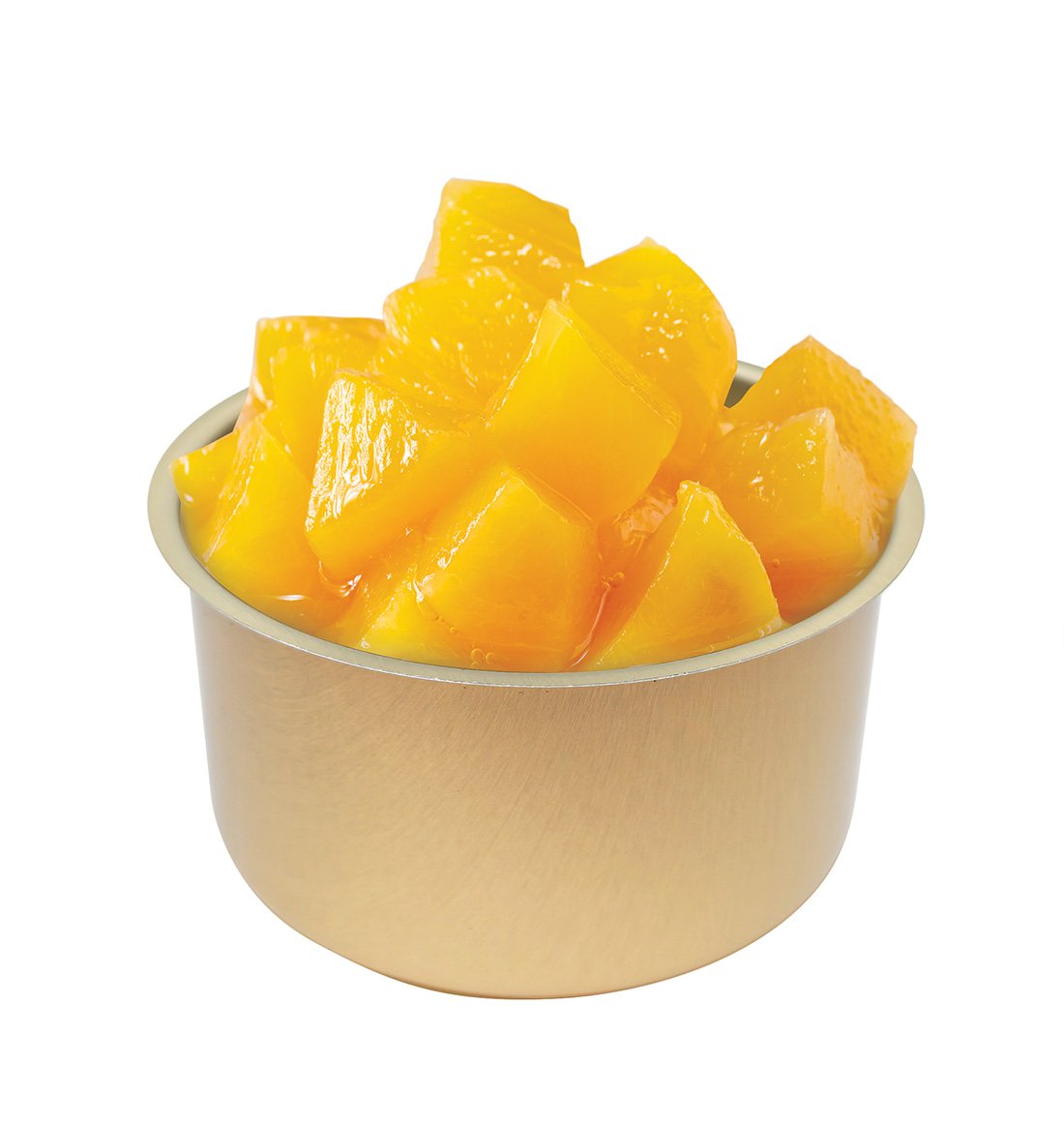
“Pieces” is a broader term than “diced.” Diced fruit generally refers to smaller, more uniform pieces, while fruit pieces can vary more in size and shape depending on the product specification. That makes pieces a flexible format for applications where exact cube dimensions are less important.
Best for:
Baking
Foodservice
Fruit mixes
Prepared foods
Industrial processing
For example, a bakery may not need perfectly uniform fruit cubes if the fruit will be mixed into a cake or filling. In that case, pieces can provide the right balance between convenience and cost. The exact definition of “pieces” can vary between products, so commercial buyers should always check the supplier’s product specification rather than relying on the name alone.
Which Canned Fruit Cut Should You Choose?
The easiest way to choose a cut is to start with the final application.
For desserts: Choose halves or slices
If appearance is important, larger cuts usually work well. Peach or pear halves can be served directly, while slices are easier to arrange on cakes, tarts, and other desserts.
For fruit salads: Choose chunks
Chunks provide a noticeable bite without being too large. They also mix easily with other fruits.
For yogurt and breakfast products: Choose chunks or dices
Smaller pieces are easier to mix with yogurt, cereal, oatmeal, and other breakfast foods.
For baking: Choose slices, dices, or pieces
The right choice depends on the recipe. Slices work well as toppings, while smaller pieces are useful inside cakes, muffins, fillings, and pastries.
For foodservice: Choose the cut that reduces preparation
For commercial kitchens, convenience matters. Ready-to-use halves, slices, chunks, or pieces can reduce cutting and preparation time.
For fruit fillings and prepared foods: Choose dices or small pieces
Smaller cuts are easier to distribute throughout a filling or prepared product.
Does the Cut Affect Texture and Appearance?
Yes, but the cut is only one part of the equation. The size and shape of a fruit piece affect how it feels when you bite into it and how it looks in the finished dish. Larger pieces generally provide a more substantial bite, while smaller pieces are easier to mix with other ingredients. The amount of surface area exposed to the packing medium can also differ between cuts.
However, texture is not determined by cut size alone. Fruit variety, maturity, processing conditions, heat treatment, and packing medium can all affect the final texture. That’s why two canned fruits with similar cuts can still have noticeably different eating qualities.
Choosing Canned Fruit Cuts for Commercial Use
For commercial buyers, the right cut is usually determined by the product’s end use rather than by appearance alone.
Retail
Foodservice
Bakery
Fruit Mixes & Private Label
Packaging size, drained weight, serving size, target channel, and production requirements should all be considered when selecting the specification.
The Right Cut Depends on the Final Product
There is no single “best” canned fruit cut. Halves are useful when appearance and portion size matter. Slices make toppings and baking easier. Chunks offer a good balance between bite and convenience, while dices and smaller pieces are better suited to mixing, fillings, and prepared foods.
For commercial applications, the decision should go one step further: consider how the fruit will be packaged, served, processed, and sold. Choosing the right cut at the beginning can make the finished product easier to produce and easier for the end customer to use.
Looking for the right canned fruit cut for your product?
Contact Countree Food to discuss customized canned fruit solutions tailored to your specific application and market needs.
Explore Our Canned Fruit Range